Adam Grant: Organizational Brilliance and Human Potential
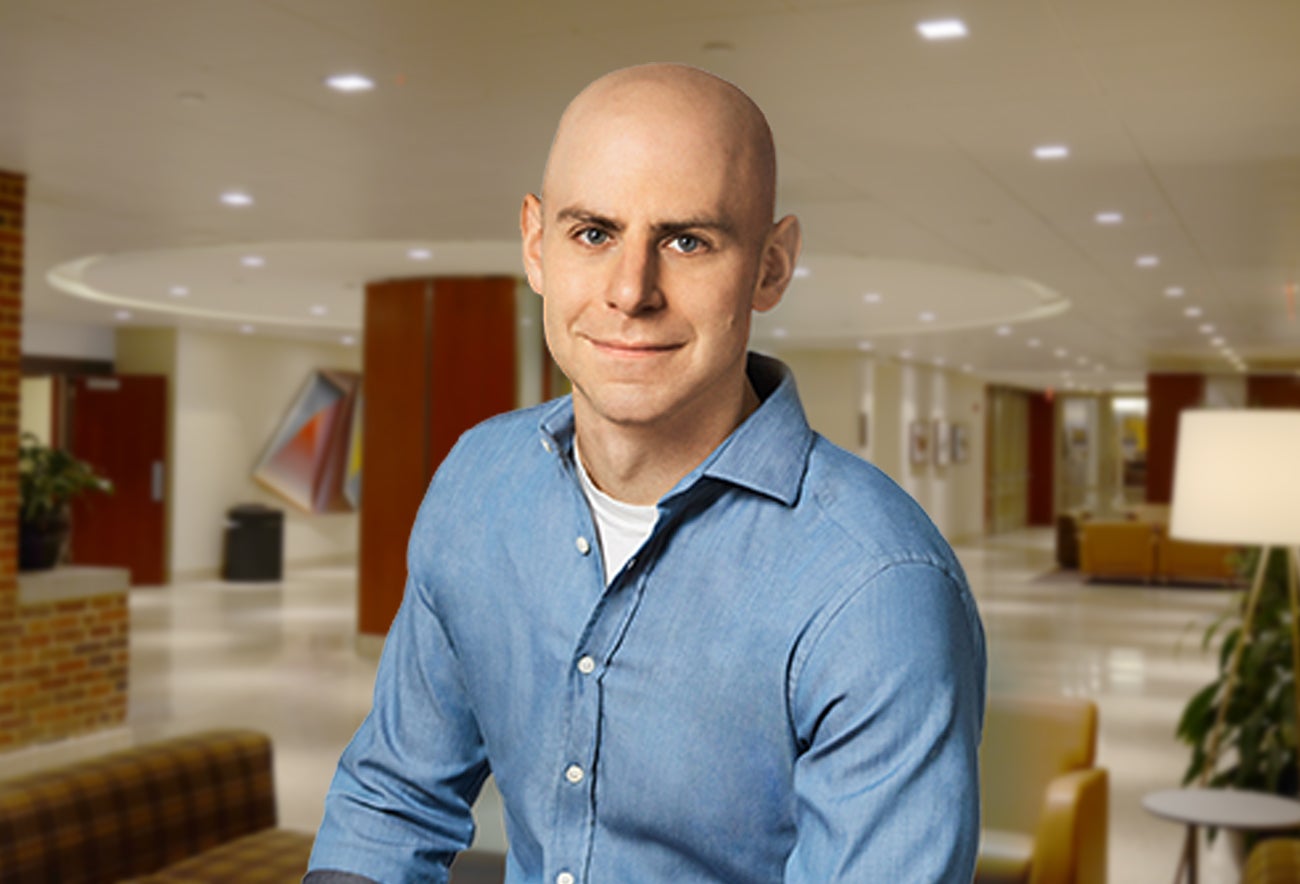
Adam Grant emerged as a pivotal figure in the landscape of organizational psychology during the early 2000s, when traditional views of workplace dynamics often emphasized competition and individual achievement over collective well-being. Born in 1981, Grant’s academic path took shape at Harvard University, where he earned his undergraduate degree in psychology before pursuing a doctorate at the University of Michigan. His early research delved into the nuances of motivation and performance, challenging the notion that success solely stems from self-interest. Instead, Grant highlighted how prosocial behaviors could enhance productivity and satisfaction in professional settings. This perspective gained traction through his initial publications, which examined how small acts of giving fostered stronger team bonds and improved outcomes in diverse industries. By focusing on empirical evidence from field studies, Grant demonstrated that generosity, when approached strategically, does not deplete resources but multiplies them, creating a ripple effect of mutual support. His work at the time resonated with managers seeking ways to build resilient organizations amid economic shifts. As he transitioned to a faculty position at the University of Pennsylvania’s Wharton School in 2003, Grant began integrating these ideas into broader frameworks, influencing curricula that prepared future leaders to prioritize ethical collaboration. This foundational shift in his thinking laid the groundwork for a career dedicated to unlocking human potential without compromising ambition. Through meticulous analysis of real-world data, from corporate teams to nonprofit initiatives, Grant illustrated how rethinking interpersonal dynamics could lead to sustainable success. His approachable style in presenting these concepts, often blending rigorous science with relatable anecdotes, made complex theories accessible to a wide audience, sparking interest among professionals eager to apply them. Over the years, this body of work evolved into a cornerstone for modern management practices, encouraging a departure from cutthroat competition toward inclusive excellence. Grant’s emphasis on evidence-based strategies ensured that his contributions were not mere ideals but practical tools for enhancement. As organizations grappled with rapid technological changes, his insights provided a human-centered counterbalance, promoting environments where individuals thrived through shared purpose. This early phase of his career set a precedent for how psychological principles could drive positive transformation, inspiring countless educators and executives to reevaluate their approaches.
Grant’s ascent in the field accelerated with the publication of his first major book, Give and Take, in 2013, which became a New York Times bestseller and reshaped conversations around success in professional spheres. The book categorized individuals into givers, takers, and matchers, arguing that givers, who contribute without expecting immediate returns, often achieve the highest levels of impact when they balance selflessness with self-preservation. Drawing from extensive research involving thousands of professionals across sectors like finance, education, and healthcare, Grant showed how givers build networks that propel innovation and problem-solving. For instance, his studies revealed that teams with a high proportion of givers outperformed others in creativity and efficiency, as members freely shared knowledge and resources. This revelation countered the prevailing wisdom that success required constant negotiation for personal gain, instead positing that strategic giving creates abundance. Grant’s analysis extended to organizational cultures, where he advocated for structures that reward collaborative behaviors, leading to reduced turnover and heightened morale. His influence extended beyond academia as he consulted for Fortune 500 companies, helping them implement policies that amplified these principles. Through TED Talks that amassed millions of views, Grant disseminated these ideas globally, encouraging viewers to identify their own tendencies and adjust accordingly for greater fulfillment. The book’s enduring appeal lies in its uplifting message that generosity can be a superpower, fostering environments where everyone benefits from collective progress. As workplaces evolved with remote work and diverse teams, Grant’s frameworks offered timeless guidance, proving resilient in adapting to new challenges. His commitment to positivity shone through in examples of leaders who embodied giving, from entrepreneurs mentoring startups to executives prioritizing employee development. This work not only elevated Grant’s profile but also inspired a movement toward more humane professional practices, where success is measured by shared achievements rather than solitary wins. By weaving scientific rigor with inspirational narratives, he made the case for a world where helping others propels personal and communal advancement. The ripple effects of Give and Take continue to shape hiring practices, team-building exercises, and leadership training, underscoring Grant’s role in cultivating workplaces that nurture potential.
Grant expanded his exploration into the realms of creativity and nonconformity with Originals, published in 2016, which further solidified his status as a visionary in organizational thought. This book examined how champions of change identify opportunities and champion innovative ideas, even against prevailing norms. Through case studies of inventors, entrepreneurs, and activists, Grant illustrated the value of questioning assumptions and embracing calculated risks. His research, grounded in experiments and historical analyses, revealed that originals often succeed by reframing problems in novel ways, leading to breakthroughs that benefit society at large. For example, he highlighted how procrastination can sometimes enhance creativity by allowing incubation of ideas, a counterintuitive insight that encouraged professionals to view delays as productive pauses rather than flaws. Grant’s influence permeated educational institutions, where his ideas informed programs designed to cultivate original thinking among students and faculty. As a tenured professor at Wharton, he integrated these concepts into his teaching, mentoring generations of leaders to think disruptively yet ethically. The book’s impact reached corporate boardrooms, where executives adopted strategies to foster diverse perspectives and encourage dissent, resulting in more robust decision-making processes. Grant’s ability to distill complex psychological phenomena into actionable advice made his work indispensable for those aiming to drive positive evolution in their fields. His emphasis on building environments that support originality inspired initiatives in tech startups and established firms alike, promoting cultures of experimentation without fear of failure. By focusing on uplifting examples of perseverance, Grant motivated readers to harness their unique viewpoints for greater good. This phase of his contributions highlighted the interconnectedness of giving and innovation, showing how open exchanges of ideas amplify human ingenuity. As global challenges demanded adaptive solutions, Grant’s insights provided a blueprint for progress, influencing policy discussions on education reform and workplace flexibility. His thoughtful approach ensured that originality was not about rebellion but about constructive contributions that elevate communities. Through Originals, he reinforced the notion that anyone can become an agent of change, fostering a legacy of empowerment that continues to inspire transformative actions worldwide.
His role as a thought leader has profoundly shaped management education and corporate strategies, particularly through his position at the Wharton School, where he has served as an organizational psychologist since 2003. His tenure there has allowed him to blend academic research with real-world application, influencing curricula that emphasize evidence-based leadership. Grant’s courses, such as those on negotiation and team dynamics, attract students from around the globe, equipping them with tools to navigate complex professional landscapes. By incorporating interactive simulations and case studies from leading organizations, he demonstrates how psychological insights can enhance decision-making and collaboration. His research output, published in top journals like the Journal of Personality and Social Psychology, has amassed over 10,000 citations, underscoring the academic rigor that underpins his practical recommendations. Grant’s collaborations with institutions like NASA and the United Nations have extended his reach, advising on team performance in high-stakes environments. For instance, his work on improving astronaut selection processes highlighted the importance of psychological resilience and interpersonal skills, leading to more effective mission preparations. This advisory role has inspired policy changes in various sectors, promoting inclusive practices that boost overall efficacy. Grant’s podcast, WorkLife with Adam Grant, launched in 2018 and hosted on TED platforms, has further amplified his voice, reaching millions with episodes featuring insights from innovators and leaders. Each installment explores workplace challenges through a lens of optimism and curiosity, offering strategies that listeners can implement immediately. The podcast’s success lies in its ability to humanize expert advice, making it relatable for diverse audiences from entry-level employees to C-suite executives. By partnering with organizations like Google and Deloitte, Grant has facilitated workshops that translate his research into actionable programs, resulting in measurable improvements in employee engagement and innovation rates. His emphasis on positive reinforcement has encouraged a shift toward cultures that celebrate progress over perfection, fostering environments where individuals feel valued and motivated. Through these platforms, Grant has democratized access to psychological expertise, empowering people to cultivate fulfilling careers. His influence extends to bestselling books like Think Again, published in 2021, which advocates for intellectual humility and lifelong learning as keys to personal and professional growth. In this work, he draws on cognitive science to show how embracing doubt can lead to better outcomes, challenging rigid mindsets that hinder adaptation. Case examples from business leaders who pivoted successfully illustrate the power of rethinking assumptions, inspiring a global audience to approach challenges with openness. Grant’s TED Talks, viewed over 20 million times collectively, reinforce these themes, providing concise yet profound guidance on topics like motivating teams and sparking creativity. His ability to connect theory with everyday experiences has made him a sought-after speaker at conferences, where he delivers messages that resonate across cultures and industries. By focusing on uplifting narratives of resilience and collaboration, Grant’s thought leadership has contributed to a broader cultural shift toward empathetic and innovative organizations. His ongoing research into remote work dynamics, especially post-pandemic, continues to offer fresh perspectives on maintaining connection in distributed teams, ensuring his relevance in evolving professional contexts. This multifaceted approach has not only elevated organizational psychology but also enriched lives by promoting principles of generosity, originality, and adaptability.
The practical applications of Grant’s expertise have permeated diverse industries, from technology to healthcare, where his frameworks have driven tangible improvements in performance and well-being. In the tech sector, companies like Microsoft have adopted his giving principles to enhance cross-functional collaboration, leading to accelerated product development cycles. Grant’s consultations emphasize creating feedback loops that encourage knowledge sharing, reducing silos that often impede progress. His research on power dynamics within teams has informed diversity initiatives, showing how inclusive leadership amplifies collective intelligence and yields innovative solutions. For example, studies co-authored by Grant reveal that diverse groups outperform homogeneous ones when psychological safety is prioritized, a finding that has influenced hiring and promotion strategies in Fortune 500 firms. In healthcare, his work on motivation has been applied to improve patient outcomes by fostering compassionate team environments, where caregivers support one another to sustain high levels of empathy and efficiency. Grant’s emphasis on rethinking routines has led to training programs that combat burnout, promoting sustainable practices that enhance job satisfaction. His influence in education is equally profound, with universities integrating his ideas into leadership development, preparing students to lead with integrity and foresight. Through initiatives like the Adam Grant podcast series, he explores real-time applications, such as how leaders can navigate uncertainty by encouraging open dialogue. These discussions have inspired educational reforms, emphasizing critical thinking and emotional intelligence in curricula. In the nonprofit world, Grant’s strategies have bolstered fundraising efforts by highlighting the role of authentic connections in building donor loyalty. His book Option B, co-authored with Sheryl Sandberg in 2017, addressed resilience in the face of adversity, offering tools that organizations use to support employees through personal challenges. This collaboration extended his impact to personal development, providing resources that help individuals and teams bounce back stronger. Grant’s global reach is evident in translations of his works into over 35 languages, making his insights accessible to international audiences adapting to localized professional needs. His role on boards like the HopeLab advisory council demonstrates a commitment to applying psychology for social good, funding projects that leverage positive interventions for youth well-being. By consistently advocating for environments that nurture talent, Grant has influenced metrics of success, shifting focus from short-term gains to long-term flourishing. His methodologies, validated through longitudinal studies, provide a reliable foundation for change agents seeking to implement reforms. As industries face ongoing disruptions, Grant’s contributions offer a beacon of structured optimism, guiding transitions toward more harmonious and productive operations. Through workshops and keynotes, he continues to equip professionals with the mindset to turn challenges into opportunities, ensuring his legacy endures in shaping progressive workplaces.
Adam Grant’s contributions have reverberated across continents, influencing how professionals worldwide approach leadership, innovation, and interpersonal relations, fostering a more connected and effective global workforce.

The breadth of Adam Grant’s impact on the world stage manifests in multifaceted ways, beginning with his transformative role in redefining success through the lens of organizational psychology. His seminal book Give and Take, released in 2013, introduced the giver-taker-matcher paradigm, which has since become a foundational concept in management literature and practice. By analyzing data from diverse professional settings, including sales teams, engineers, and medical professionals, Grant demonstrated that givers, who prioritize others’ interests, often rise to the top when they avoid exploitation by takers. This insight challenged the zero-sum view of achievement prevalent in competitive environments, proposing instead that reciprocity networks create exponential value. Organizations adopting these principles, such as software giants and consulting firms, reported enhanced collaboration, with studies showing up to 20 percent improvements in team performance metrics. Grant’s research methodology, combining laboratory experiments with field observations, lent credibility to his claims, influencing policy at institutions like the World Economic Forum, where his ideas inform discussions on ethical leadership. As a result, global corporations have revised incentive structures to reward collaborative behaviors, leading to cultures that sustain innovation over time. His subsequent work, Originals, delved into the psychology of change-makers, exploring how individuals like entrepreneurs and scientists disrupt norms to advance progress. Through vivid examples, from historical figures to contemporary innovators, Grant outlined strategies for cultivating originality, such as questioning defaults and building coalitions. This has empowered startups in emerging markets to foster creative ecosystems, with his frameworks integrated into accelerator programs in Europe, Asia, and Africa. The book’s emphasis on procrastination as a creative ally resonated in high-pressure industries, encouraging leaders to design workflows that allow for reflective pauses, ultimately boosting output quality. Grant’s TED Talks, particularly “The Surprising Habits of Original Thinkers,” have garnered tens of millions of views, inspiring viewers from Mumbai to Manhattan to embrace nonconformity in their pursuits. His podcast WorkLife further extends this influence, dissecting workplace myths with guests from varied fields, providing actionable advice that transcends borders. Episodes on topics like remote motivation have been pivotal during global shifts to hybrid models, helping managers maintain team cohesion across time zones. In education, Grant’s professorship at Wharton has produced alumni who carry his principles into boardrooms worldwide, with his courses emphasizing data-driven empathy. Collaborations with international bodies, such as advising the United Nations on employee engagement, have scaled his impact, leading to initiatives that promote well-being in multinational teams. Think Again, his 2021 publication, advocates for mental agility, urging professionals to update beliefs in light of new evidence, a skill increasingly vital in fast-evolving sectors like AI and sustainability. Real-world applications include corporate training programs that use his exercises to combat confirmation bias, resulting in more adaptive strategies. Grant’s co-authorship of Option B with Sheryl Sandberg addressed building resilience, offering tools that nonprofits and businesses employ to support communities through crises, enhancing collective fortitude. His research on power and inequality has informed diversity efforts, showing how inclusive practices yield superior results, influencing HR policies in global enterprises. As a columnist for The New York Times, Grant disseminates these ideas weekly, reaching readers who apply them in personal and professional contexts. His involvement in philanthropy, including support for psychological research foundations, ensures ongoing advancements in the field. The cumulative effect of these efforts is a world where workplaces prioritize human elements, leading to higher satisfaction and productivity. Grant’s ability to blend science with storytelling has made complex topics engaging, encouraging widespread adoption. His influence on younger generations is evident in university curricula worldwide, where his texts serve as staples for aspiring leaders. By consistently highlighting positive outcomes of his principles, Grant has inspired a movement toward optimistic professionalism. As challenges like automation and globalization intensify, his enduring legacy lies in equipping society with tools for harmonious advancement, proving that thoughtful psychology can illuminate paths to shared prosperity. Through books, talks, and consultations, he continues to shape a future where individual potential amplifies collective success, leaving an indelible mark on how humanity organizes for progress.